
 FR
FR  ES
ES  DE
DE  IT
IT 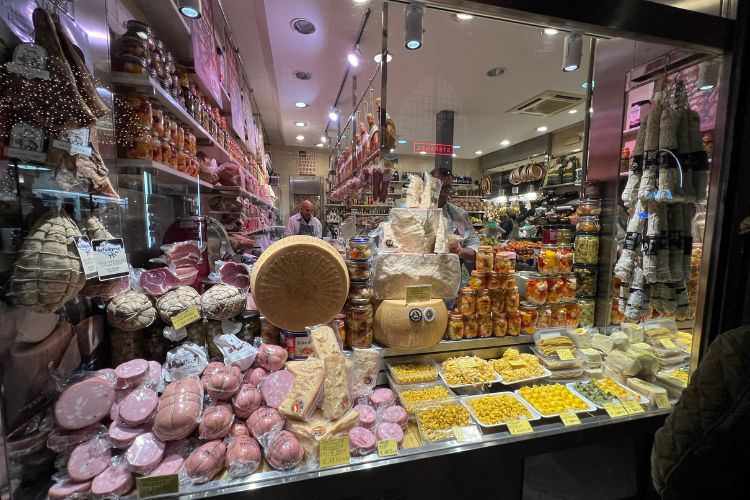
When you think of Bologna, it's almost impossible not to imagine its first courses, true pillars of culinary tradition. Among these, tagliatelle al ragù alla bolognese are perhaps the most famous. The egg pasta, with its perfect texture, is dressed with a rich and flavourful ragù, prepared according to a recipe that includes various types of meat and an aromatic soffritto. You can't talk about ragù without mentioning lasagne alla bolognese, a dish that in this city takes on a distinctive green colour thanks to the addition of spinach in the pasta dough. Layers of pasta, ragù, béchamel sauce, and cheese alternate to create a baked masterpiece. And then there are tortellini in brodo, small pasta parcels filled with meat, mortadella, and Parmigiano, served in a flavourful broth, a true classic especially during the holidays. Finally, tortelloni, similar to tortellini but larger, often filled with ricotta and herbs, dressed simply with butter and sage, offer another delicious variation of Bolognese fresh pasta.
Other Specialities to Try
In addition to the great classics, Bologna offers other delights that deserve attention. *Passatelli*, for example, are a particular type of pasta, originating from Romagna but now an integral part of Bolognese cuisine. They are prepared with a dough based on Parmigiano Reggiano, breadcrumbs, and eggs, enriched with nutmeg and lemon zest. Their irregular shape is achieved by passing them through a special iron or a potato masher. Traditionally, they are served in a hot meat broth, but they also pair well with fish or mushroom sauces, making them perfect for warming up in winter or for a lighter meal in summer.
Another dish not to be underestimated is gramigna, a fresh pasta in the shape of a small curl, often dressed with a rich sausage and cream sauce. It's a flavourful and comforting first course, which deviates slightly from the usual ragùs. For a more rustic experience, however, there are crescentine and tigelle. Crescentine are a type of soft fritter, while tigelle are thinner, crispier pasta discs, cooked on a stone. Both are perfect for accompanying local cured meats and cheeses, but they are also excellent on their own, perhaps with a drizzle of good olive oil or some Bolognese pesto.
Cured Meats and Second Courses
After the first courses, it's time to move on to the second courses and cured meats, true pillars of Bolognese culinary tradition. You can't talk about Bologna without mentioning *Mortadella di Bologna IGP*. This cooked sausage, made only with pork, has an unmistakable aroma and a delicate flavour. Although it is often part of platters or an ingredient in other preparations, eating it on its own, perhaps between two slices of bread, is an experience not to be missed. Its fame is international, and it is a true source of pride for the city.
Another dish that deserves attention is Cotoletta alla Petroniana, also known as cotoletta alla bolognese. It is a veal or chicken cutlet, fried and then enriched with Parma ham and abundant Parmigiano Reggiano, often deglazed in meat broth and baked. It is a substantial dish, a true flavour bomb that represents a culinary icon. Its recipe is so important that it is kept at the Italian Academy of Cuisine. Although not a cured meat, mortadella is a key ingredient in many Emilian preparations, such as crescentine and tigelle, which are perfect for accompanying local cured meats. Emilia-Romagna is a region renowned for its unique cured meats, such as Culatello di Zibello DOP.
Side Dishes and Traditional Desserts
To accompany your dishes or to end the meal sweetly, Bologna offers some specialities worth discovering. Among the side dishes, *friggione* stands out, a simple but flavourful preparation based on onions and tomatoes. Its recipe, kept at the Chamber of Commerce, is a true treasure of peasant tradition, perfect to enjoy on a slice of bread or as an accompaniment to meats and boiled dishes. Moving on to desserts, torta di riso, also known as torta degli addobbi, is a classic. Originally linked to May celebrations, this cake is a triumph of rice, milk, almonds, and flavourings such as lemon and cinnamon. Its creamy texture and enveloping flavour make it a perfect end to any meal. There are various versions, with the addition of candied fruit or dried fruit, but the basic version is already a delight in itself.
Street Food and Alternatives
Bologna is not just a triumph of first courses and elaborate second courses, but it also offers excellent options for those looking for something quick and tasty to eat while walking. The *piadina*, although originating from Romagna, has found its worthy representation here too, with versions that vary in thickness and filling, perfect for an informal meal. Another classic not to be missed are crescentine and tigelle, the latter with their Modenese origins, which are served hot and stuffed with local cured meats and cheeses, ideal for an aperitif or a hearty snack. If you are looking for an authentic and quick experience, a mortadella sandwich is a city institution, a simple but incredibly flavourful way to taste one of Bologna's most iconic products. The city is a true street food capital, with many delicious and accessible options for all tastes.
Frequently Asked Questions
What is the most famous dish in Bologna?
Without a doubt, tagliatelle al ragù alla bolognese is the most well-known dish. Imagine fresh egg pasta, cut into strips and dressed with a rich meat sauce, slowly prepared. It's a classic that never disappoints!
What are tortellini and how are they eaten?
Tortellini are small filled pasta parcels, usually with meat and cheese. Bolognese tradition dictates they are served in a flavourful broth, often capon or beef. They are perfect for warming up, especially on colder days.
Is mortadella only eaten in a sandwich?
Mortadella is a true treasure of Bologna! Of course, it's delicious in a sandwich, but you can also find it in other ways, perhaps as a filling for other dishes or simply sliced. It has a unique aroma and flavour that makes it special.
Are there vegetarian dishes in Bologna?
Many traditional dishes are meat-based, but you can find delicious options. Tortelloni, for example, are often filled with ricotta and spinach, and dressed with butter and sage. Friggione, a type of side dish made with tomatoes and onions, is also an excellent choice.
What are crescentine and tigelle?
They are two types of cooked bread, perfect for accompanying cured meats and cheeses. Crescentine are softer and fried, while tigelle are smaller and cooked on special discs. They are ideal for a tasty snack or starter.
Where can I try these specialities?
Bologna is full of places to eat well! You can choose from historic trattorias, more modern restaurants, or even street food stalls. Don't be afraid to explore the streets of the centre, you're sure to find the right place for you.